
2025 Hyundai Venue review, first drive - the sub-4m Creta?
The Venue has been quite a successful sub-4m SUV, but it's never quite dominated its segment in the way the Creta has. This small SUV is now getting its most significant update yet. This second-generation model is visibly larger and looks and feels more premium. So, can it really shake things up in this segment?
2025 Hyundai Venue Styling, dimensions, boot space
The Hyundai Venue is now 30 mm wider, and the oversized lighting elements, wide grille and flared panels make it look much more substantial than before. You feel like you're looking at a car from a segment higher when you see the new Venue head-on.
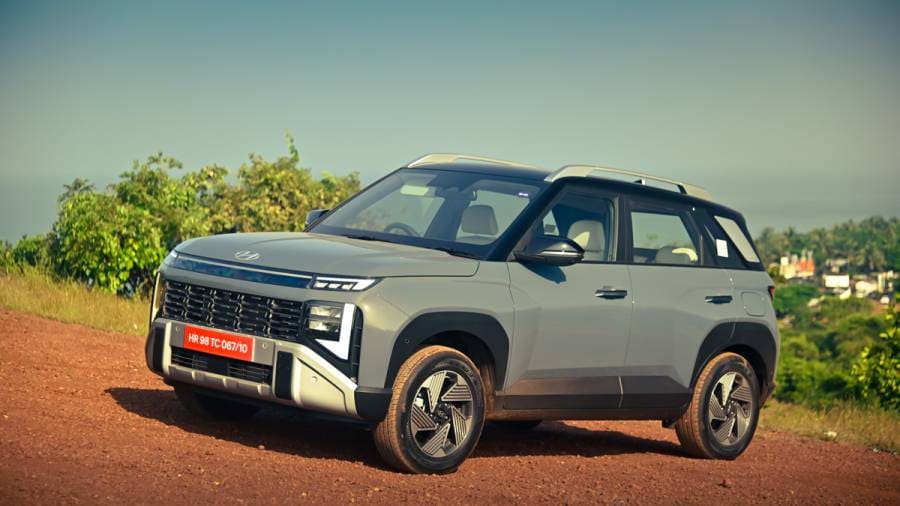
The previous Venue looked quite compact, especially when you saw it in profile. Now, Hyundai has done a lot of work to make it look more like an SUV. The 48 mm increase in height helps. The wheelbase has grown by 20 mm, and you also have a decent 195 mm of ground clearance. A design element that works quite well to give the Venue a more SUV-like look is the prominent rear quarter glass.
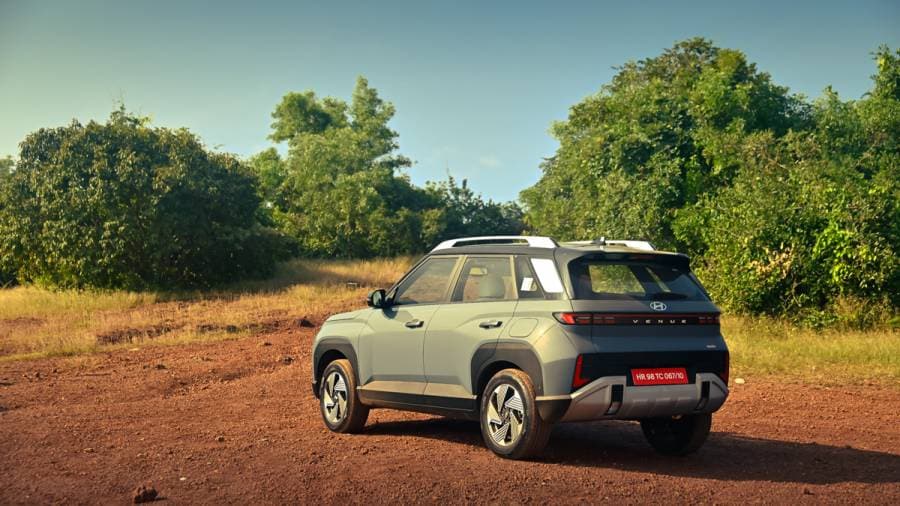
Unlike the general trend in this segment, the new Hyundai Venue continues with 16-inch wheels. They can look a bit small, but there are benefits to this as we'll see later. The rear is now quite a bit more aggressive than before. The overall theme has been retained with the H-pattern lighting, but the chunky bumpers and smart details stand out, like the encased Venue logo and the smartly integrated reversing lamps.
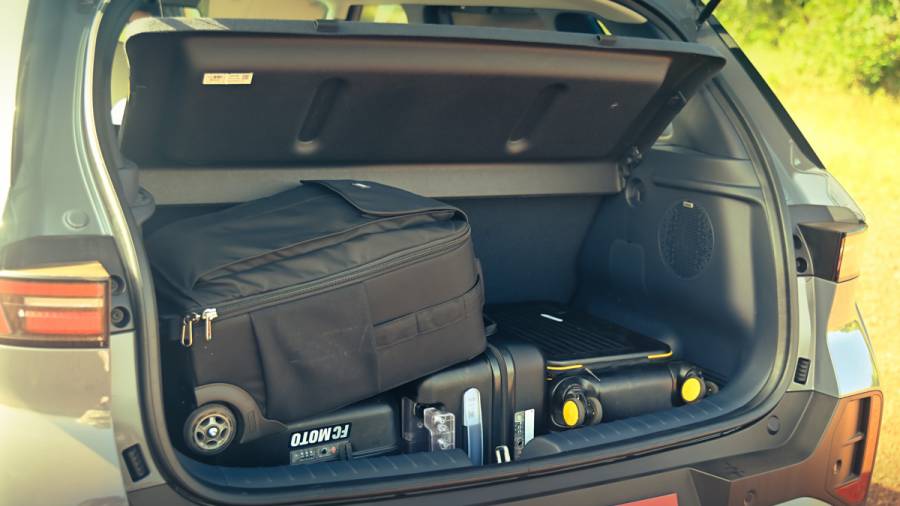
With this generational change, boot space has gone up by 25 litres to 375 litres. It's still not the best in the segment, but it's quite useful. You can pack a family's worth of luggage quite easily, helped by a deep floor and an even space without the wheel wells intruding much. Yes, that makes the sill quite high, so loading a heavy bag is a bit of a hassle. You have a 60/40 split arrangement to free up more space if needed.
2025 Hyundai Venue Interior, practicality, infotainment
One of the things Hyundai does well is give you the sense that you're in something much more expensive than it actually is. The Venue is another great example of this. With the last Creta, we felt Hyundai had dropped the ball a bit, but here they're back on form. The textures and finishes leave a good impression, with the brushed rubber plastic on the dash top and the rough textures of the lighter sections on the dash fascia.
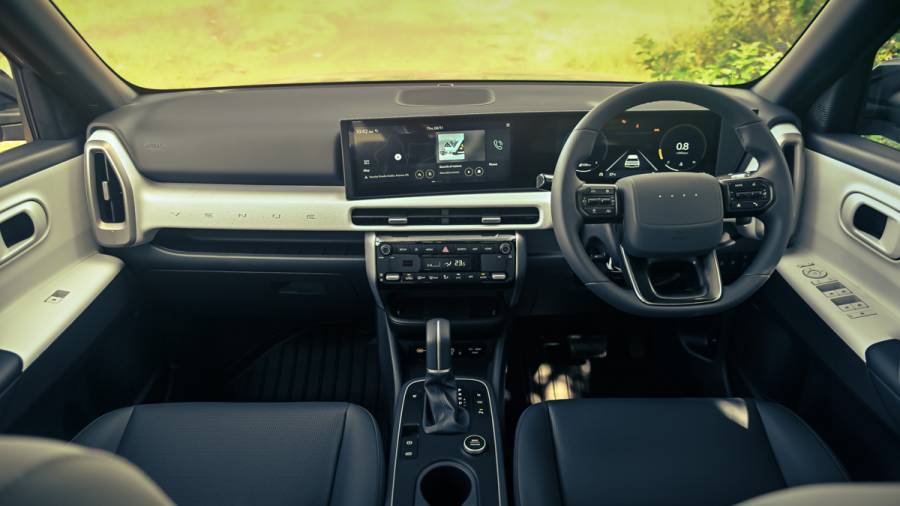
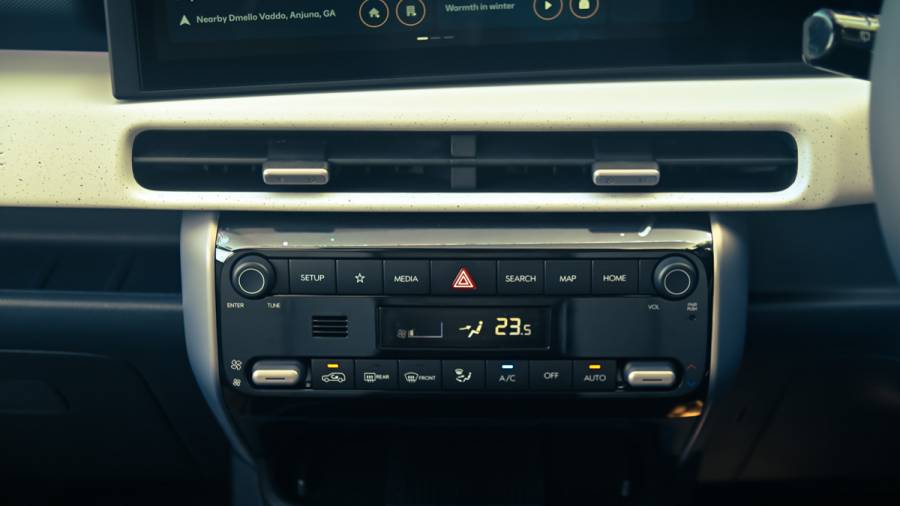
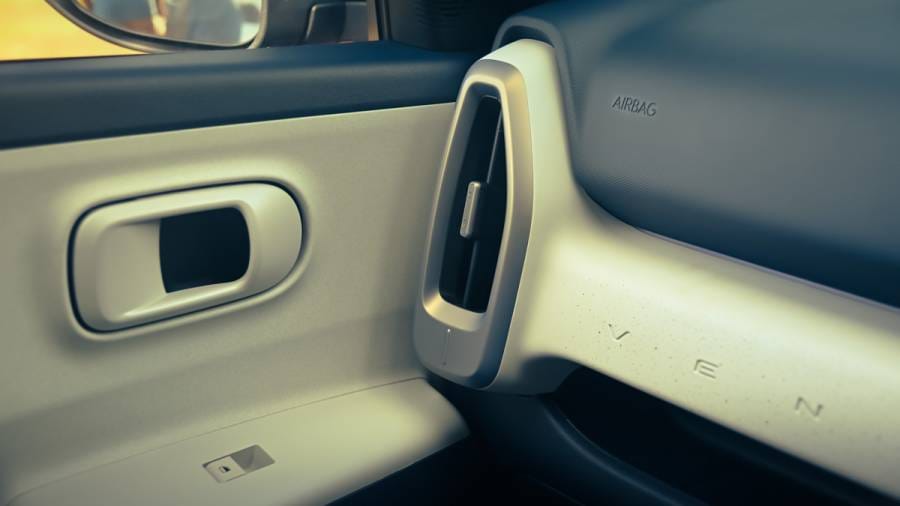
The design has been kept simple but upmarket. It uses clean surfaces and leans into the H-pattern theme of modern Hyundai cars. For a car in this segment, the Venue is right at the top in terms of the tactile feel you get from the controls. You notice this in the hefty feel from the new indicator stalks and air vents. It's great that Hyundai has given us actual tactile buttons for the entire climate control system, but we hope they don't do what they did with the Creta and replace this with a touch panel over the life of the car. As it stands, you have rotary knobs and toggle switches, so usability on the move is a breeze.
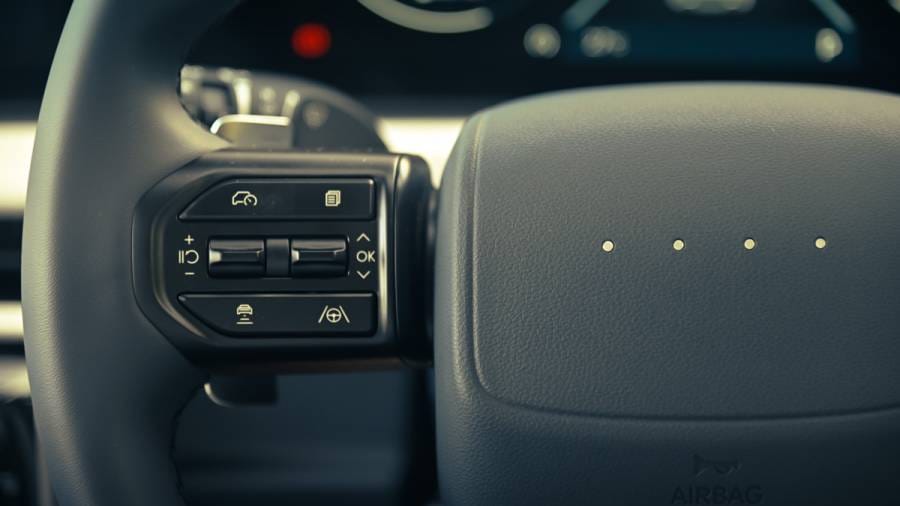
The new steering wheel deserves a mention. You get the Morse code Hyundai logo now, and the size and shape of the wheel make it easy to handle. The great sense of tactility continues with the buttons and metallic paddles here.
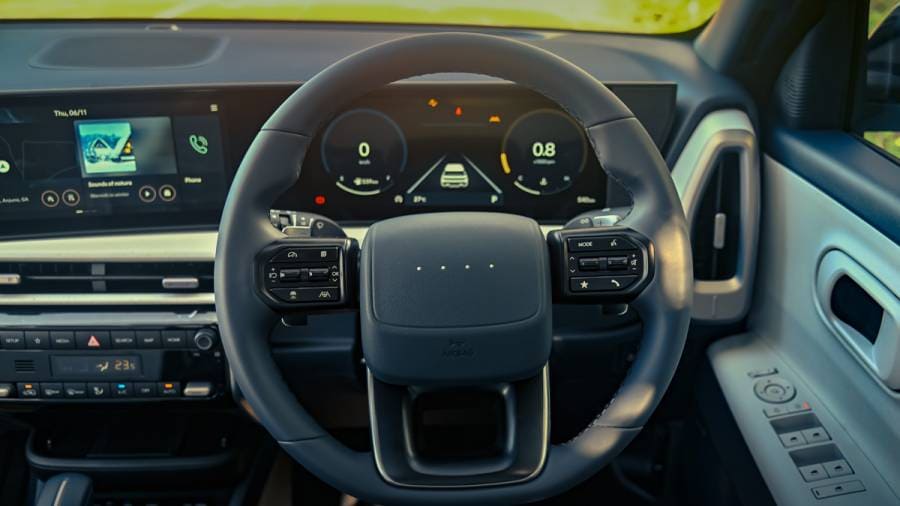
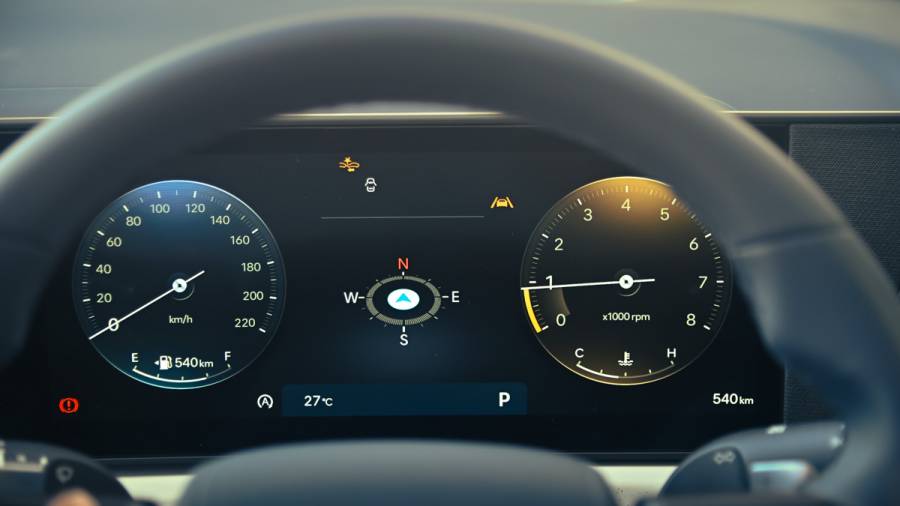
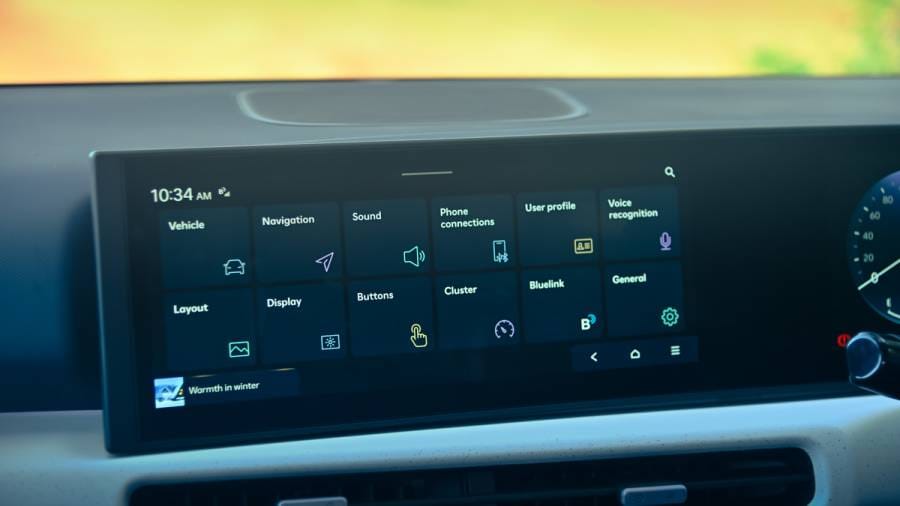
The curved panel fits right into this theme with its larger 12.3-inch screens. They now get Hyundai's newest interface. You have a fully digital instrument cluster now. It's easy to read and navigate through menus, with large fonts and fluid graphics.
The touchscreen now gets a widget and tiled theme that looks more modern. It seems more responsive and is easy to get used to. You have more connected features too. Most importantly, you finally get wireless Android Auto and Apple CarPlay.
Hyundai has been smart in extracting the most space from this K1 architecture with the new Venue despite the track widths remaining the same. The light colour palette and large windows help, but the dash has been redesigned to intrude into the cabin less and the door cards have been slimmed. So there's noticeably more elbow room here than in the last Venue.
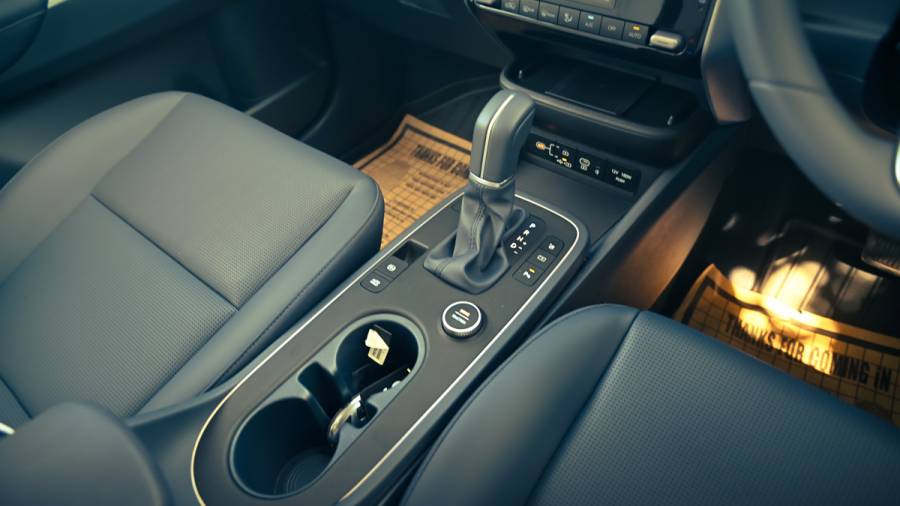
There's good storage with a spacious centre console that holds a well-placed wireless charger. The door bins are fairly large too, and you have enough Type-C charge ports for everyone in the cabin.
2025 Hyundai Venue rear seat
You realize Hyundai is modelling the Venue after the Creta from the rear seat because the shape of the seat will immediately remind you of the Creta if you're familiar with it. There is a bit more bolstering than what we've seen in Hyundai cars before, but the thigh support and generous recline angle are quite similar to the Creta.
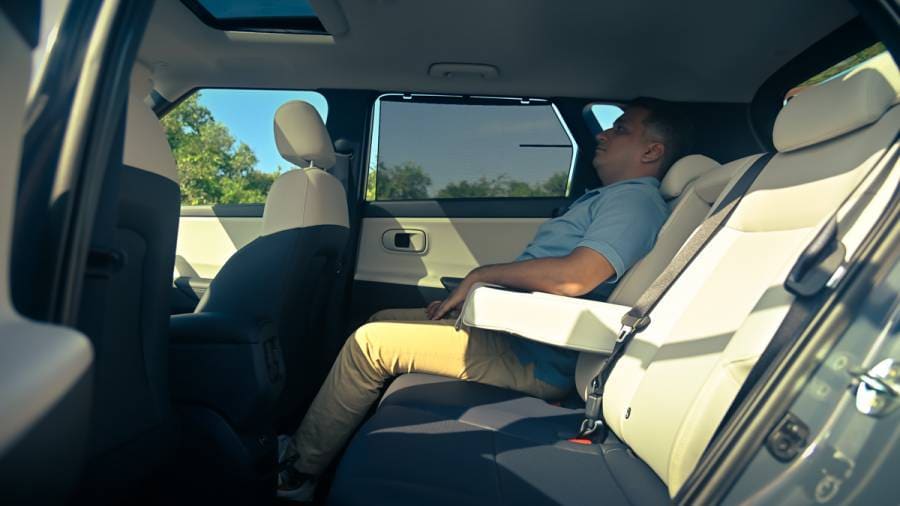
One of the biggest complaints with the previous Venue was its tight rear seat, which has been addressed here, although this is still not quite as spacious as some other cars in this segment. The 20 mm increase in wheelbase frees up more headroom, and with the front seats scooped out, this effect has been accentuated. So if you're under 6 feet tall, you should be fairly comfortable. There's also good space for your feet with the front seats placed quite high. The lack of a panoramic sunroof is good news for headroom, where the scooped-out headliner has carved out a good deal of space.
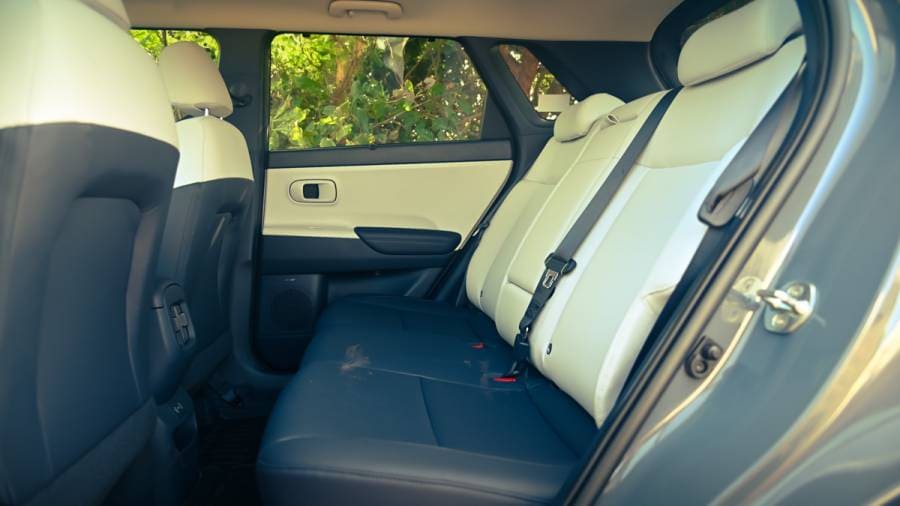
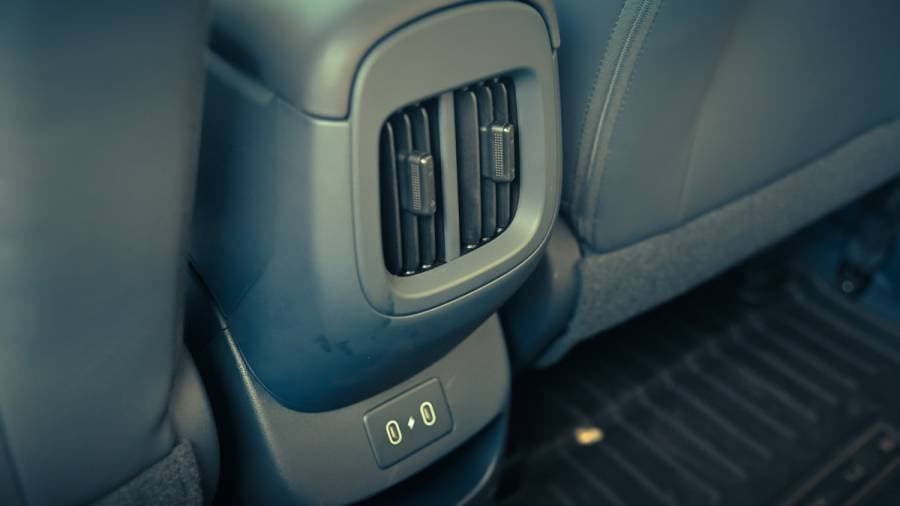
The seat is wider than before as well. With the flat bench, there's enough space for two adults and a child. As with other Hyundai cars, you get good creature comforts here like the reclining backrest, rear sunshades and USB ports. But storage spaces are limited. There are no door pockets and the rear door bins are small.
2025 Hyundai Venue features and safety
You miss out on equipment like fully powered seats, telescopic steering and a full-size sunroof, but the Venue is generally well-equipped. You get an 8-speaker Bose audio system, ventilated front seats with 4-way power adjustment, LED lighting, auto headlamps, wireless charging and a more extensive software-defined architecture.
Safety has been improved with level 2 ADAS now being added. It is also expected that improvements to the structure will get the Venue a 5-star safety rating. Standard safety equipment includes six airbags and ESC, while a 360-degree camera is available.
2025 Hyundai Venue driving impressions - turbo DCT, diesel AT
The second-gen Hyundai Venue continues with the same engine options as before. The base engine is the 1.2-litre naturally aspirated motor with 83 PS and 115 Nm, paired only with a manual gearbox. But the version we spent most time with was the 1.0-litre turbo with the 7-speed DCT, making 120 PS and 172 Nm. We also briefly drove the new 1.5-litre diesel auto combo that makes 115 PS and 250 Nm.
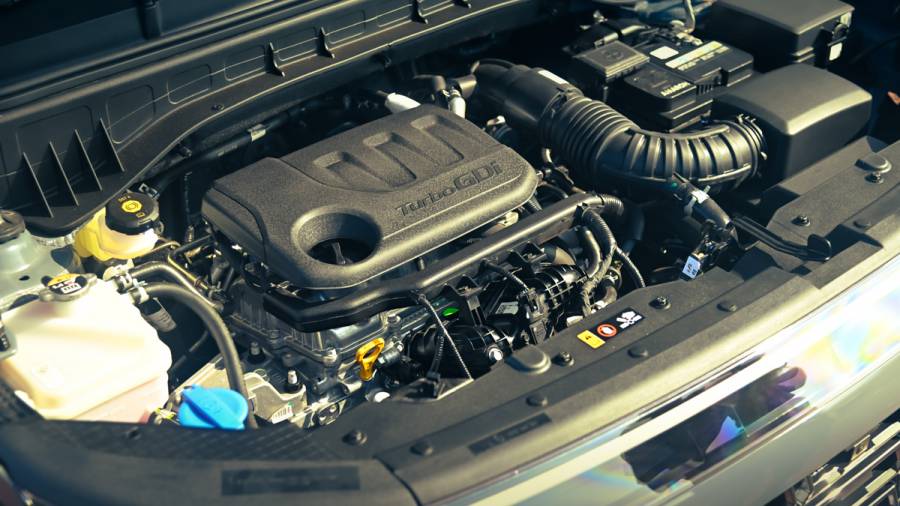
When you start driving the Venue, the first thing you notice is that it's a lot more convincing as an SUV from behind the wheel. You have that commanding seating position and the bonnet flows out in front of you like the Creta. The earlier Venue didn't do that as effectively, which makes this one a bit easier to thread through traffic. The blind spots aren't too intrusive, and the large windows help too.
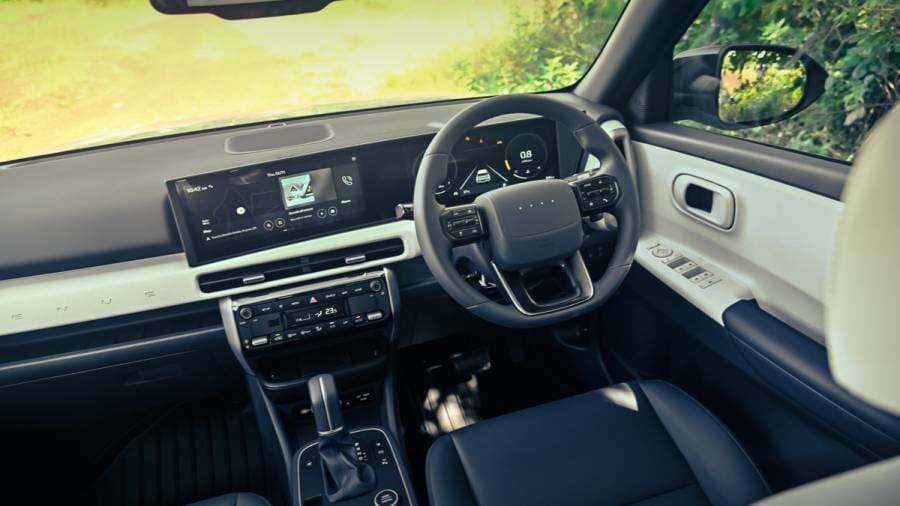
The front seats are especially comfortable. They give you a lot of support for your thighs and are cushioned just right, which makes us think longer journeys will be more comfortable than before.
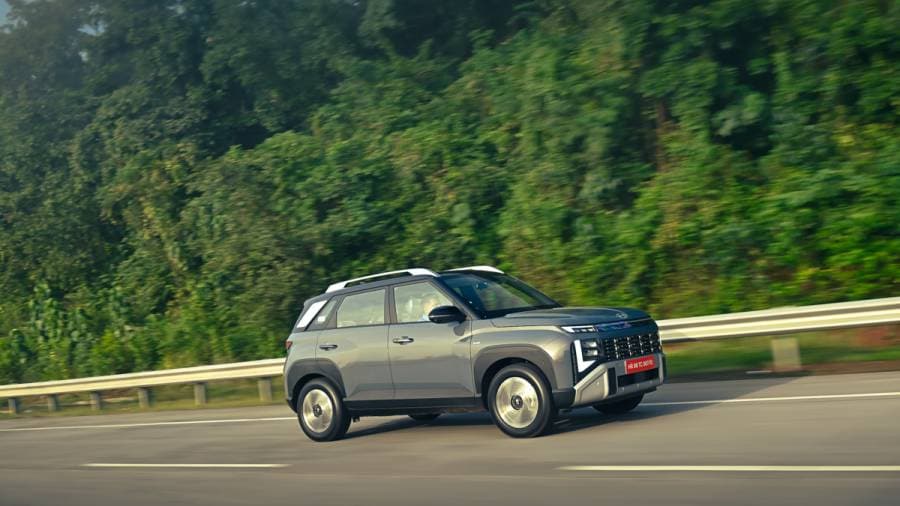
The turbo DCT drivetrain feels largely similar but you notice minor improvements in how it has become a bit more linear and quieter in the way it functions. It always had great NVH for a three-cylinder, but that seems to have improved. The DCT is functional like it has been earlier. It works seamlessly in everyday driving but doesn't like to give you heavy, high rpm shifts. This engine was never the most exciting, but it was always functional and effective and that sense continues. You have a fairly clean and wide powerband. If you're driving calmly, you'll never feel like your progress is interrupted. In the higher reaches of the rev band, you do wish for a bit more excitement, especially since you've bought a turbo petrol, and there are some exciting small engines in this segment now.
There's less hesitation now, which you notice most in how the DCT shuffles through gears at low speeds. That neutral, easy-going driving demeanour that the Venue was known for has been improved.
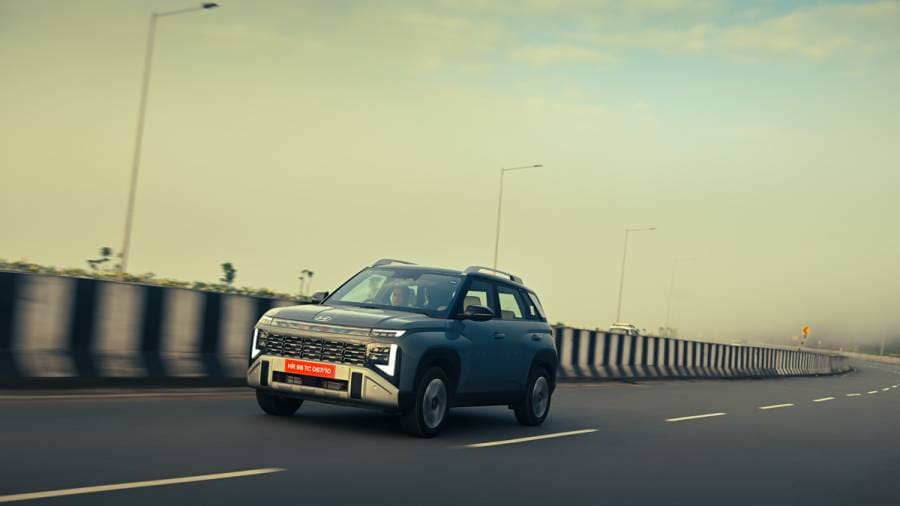
As for the diesel auto variant, it's a bit less peppy off the line than the turbo petrol but very soon you have that flat diesel torque advantage going for you. It has that solid, confident pull and feels more potent when cruising and especially during overtaking. The torque converter can't quite match the DCT in its seamlessness, but it is a responsive unit. It doesn't slur too much and is helped by the added torque of the motor. You get drive modes in both, which change engine and gearbox responses. The traction modes also tweak the ESC to give you more grip on loose surfaces.
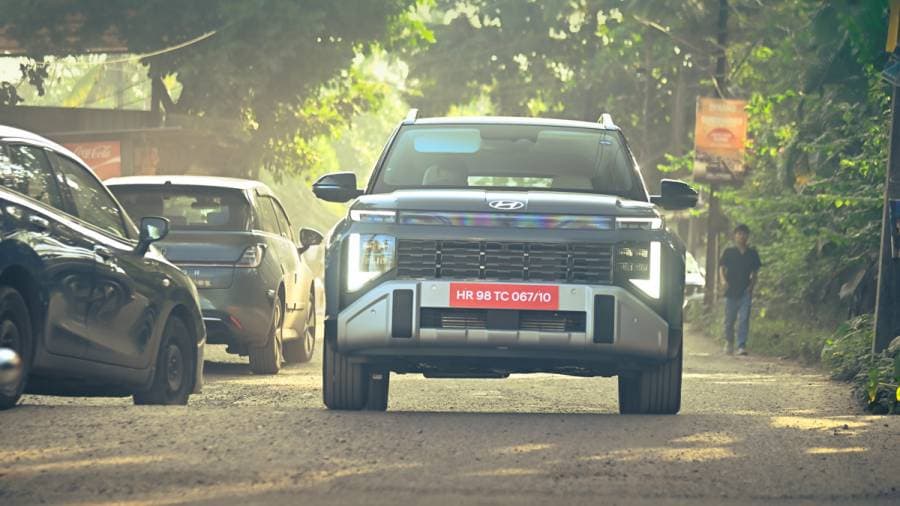
The one thing Hyundai has done that must be appreciated is the way they've tuned this car's ride and handling. This new architecture comes with more strengthening, and it shows in the way the Venue moves on the road. You feel like you are in something more substantial and stable. Over broken patches and bad roads, you have this solid feel. Hyundai hasn't gone with the norm and fitted extremely large wheels on a small SUV. You still get 16-inch wheels. Combined with the reworked suspension and the slightly longer wheelbase, the Venue seems quite adept at our road conditions.
You notice that over broken patches, unless things get really bad where you're thrown around, you have that layer of cushioning between you and the road. It is also good that the high-speed stability has grown over the last car. The last Venue was not the most stable at high speeds, but here it feels steady and confident.
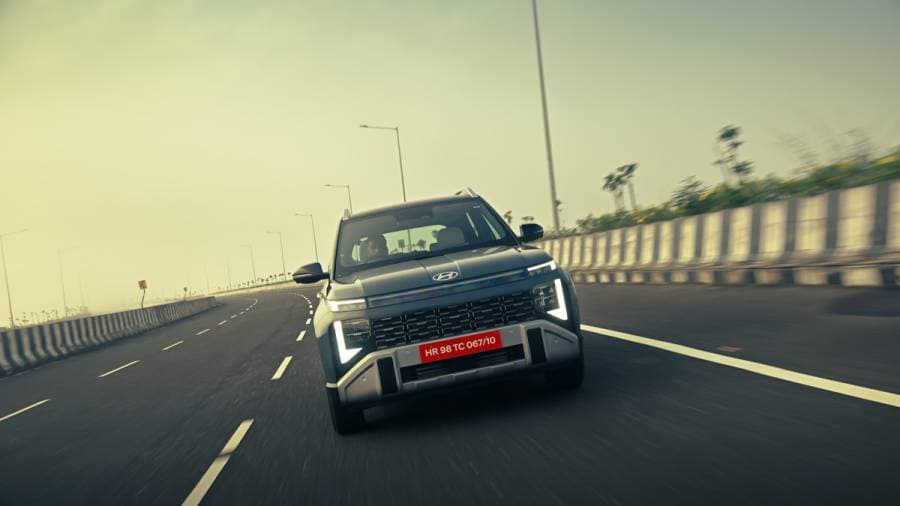
With the diesel and its added heft, there is a touch more bounce to the ride. While it is still good, you do notice more vertical movement over uneven surfaces in this variant over the turbo petrol. The diesel feels a bit more nose-heavy than the petrol around corners.
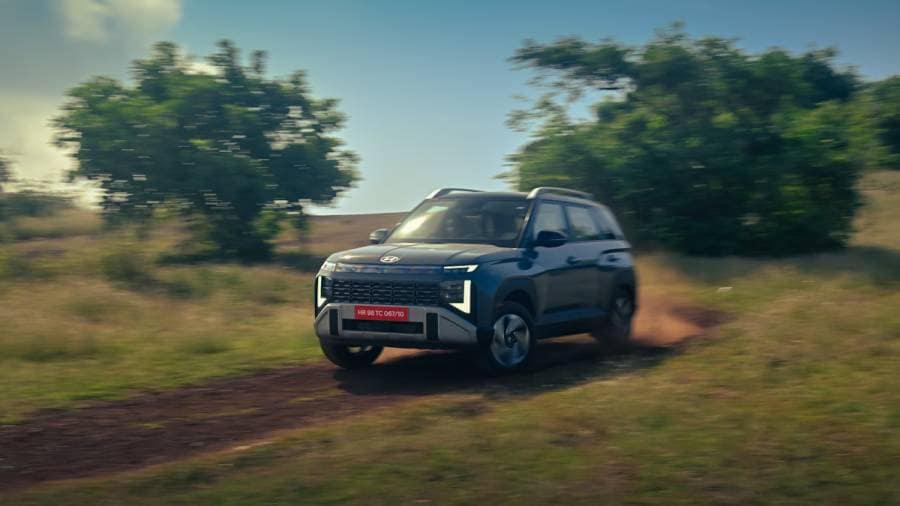
The Venue won't be for you if you're looking for a full-on enthusiast car. We do wish the steering was a bit more direct. It's convenient, and in city traffic, it's effortless to drive as Hyundais have always been. But at higher speeds, you wish there was a bit more connection coming through the wheel. Otherwise, you have that neutral demeanour. It doesn't roll too much, but it also doesn't feel especially sharp around bends. But as something that will work every day for you without springing surprises, the Venue does the job. It must be said that given how comfortable the suspension is, this trade-off that Hyundai has made is quite smart and works for the Venue.


2025 Hyundai Venue verdict
Priced at Rs 14.74 lakh ex-showroom for the HX10 petrol and Rs 15.69 lakh for the similar diesel, the Venue is a pricey proposition. This is exaggerated by the fact that it is still not the most spacious car in this segment and misses out on a couple of features. That said, it feels like a big step up from the last model with its more solid and comfortable driving demeanour and comes with a cabin ambience that feels worth the price. The good road presence helps its case too.
Price (Ex-Delhi)
Starts Rs 7.53 Lakhs
Starts Rs 7.53 Lakhs
Displacement
1493cc
1493cc
Transmission
Manual
Manual
Max Power(ps)
83
83
Max Torque(Nm)
240
240
Mileage
-NA-
-NA-
Price (Ex-Delhi)
Starts Rs 5.73 Lakhs
Starts Rs 5.73 Lakhs
Displacement
1197cc
1197cc
Transmission
Manual
Manual
Max Power(ps)
72
72
Max Torque(Nm)
114
114
Mileage
19.1 Kmpl
19.1 Kmpl
Related Stories





Advertisement
Top Stories
Advertisement
Advertisement


