
Indias New EV Policy: Promise, Peril, and the Power Problem
With tax breaks and localisation demands, India's New EV Policy opens doors to global players - but are we truly ready for the electric leap?
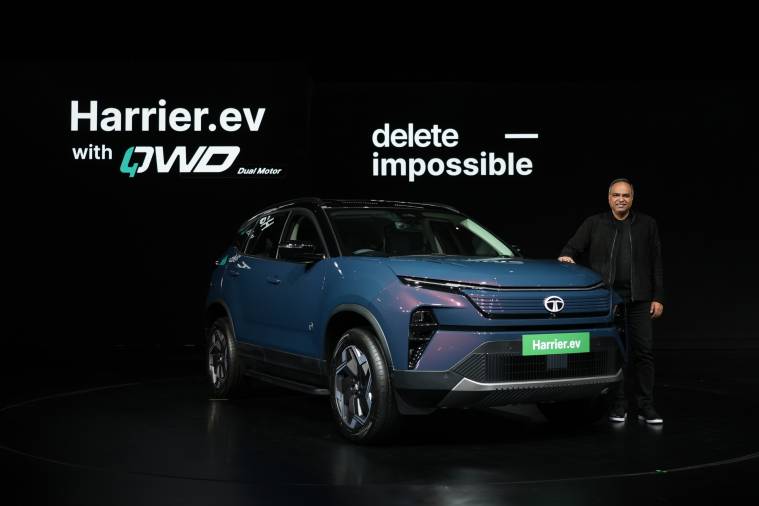
In a bold move aimed at catapulting India into the league of serious electric vehicle (EV) players, the government has unveiled a new EV policy that slashes import taxes - on the condition that global carmakers commit to manufacturing EVs in the country. On paper, it's a clever strategy: invite global giants like Tesla, Volkswagen, Hyundai, and premium marques to invest over ?4,000 crore in local production, and in return, allow them to import a limited number of EVs at just 15% import duty - down from the standard 70%+.
It's a strategy that promises a win-win: foreign direct investment, job creation, cutting-edge technology, and an accelerated shift to cleaner mobility. But beneath this promising vision lie some pressing, unresolved questions. Is India truly ready for the electric revolution this policy hopes to spark? Will customers actually embrace EVs at scale? And crucially, can India's power infrastructure and global EV supply chains keep up?
Global Opportunity
At the heart of the new policy is a calculated gamble. India is offering foreign carmakers a highly sought-after incentive - lower import tariffs - if they commit to local manufacturing within three years and meet phased localisation targets. In return, they'll gain access to the world's third-largest car market with more favourable economics.
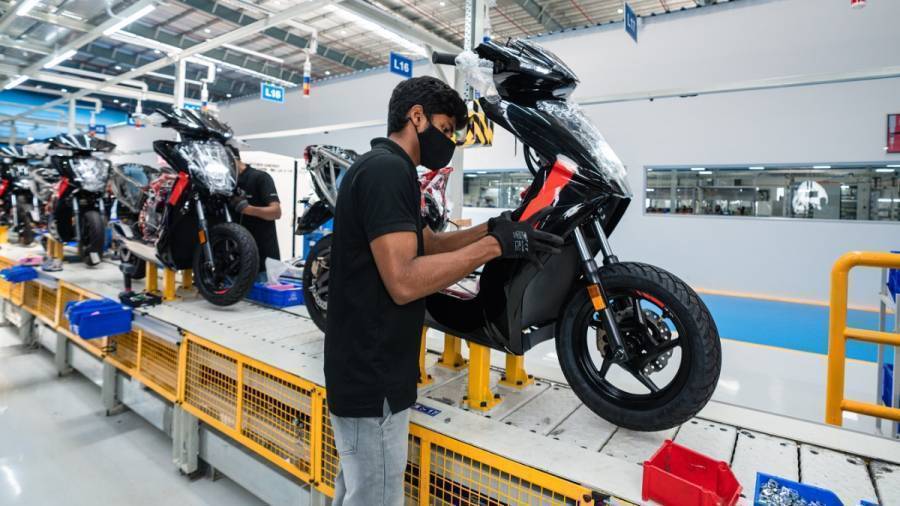
This move could fast-track India's ambition of becoming an EV manufacturing hub, attracting companies that have so far remained hesitant due to prohibitive tariffs or policy ambiguity. For consumers, it could mean a greater variety of high-quality EVs at more competitive prices - especially in the premium and performance segments where choices remain limited.
But while the doors may be open, not everyone is rushing in.
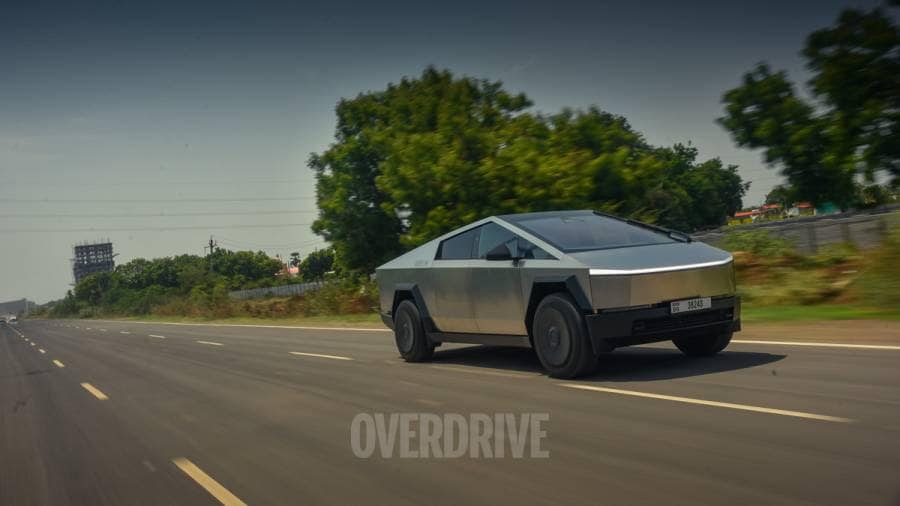
Tesla, the most high-profile name in this equation, is reportedly still uninterested in setting up manufacturing in India. Instead, the American EV giant appears inclined to take advantage of the lower import duty window without committing to 'Make in India'- at least for now. That could raise questions about the long-term return on investment for the government and whether the scheme is simply a red carpet for imports in the short term.
Will EV Sales Justify This Giant Leap?
Despite the policy's aggressive push, EVs currently account for only around 23% of India's total car sales. The growth trajectory is encouraging, especially in metro cities, but nationwide adoption remains lukewarm. High purchase costs, limited charging infrastructure, and range anxiety continue to hold back mass acceptance.
Will locally assembled Teslas or Volkswagen IDs suddenly change that picture? Unlikely. As brands like Tata Motors and MG have demonstrated, real volume in India comes from the
?1020 lakh bracket - not luxury or aspirational EVs costing ?40 lakh and upwards.
There's also the 'green paradox': while EVs may have zero tailpipe emissions, the bulk of India's electricity still comes from coal. Until the grid itself becomes significantly cleaner, the net environmental benefit of EV adoption remains limited.
The Elephant in the Grid: Can India Handle Millions of EVs?
Assuming EV adoption spikes due to policy changes or forced ICE phase-outs like the diesel ban in Delhi, one must ask - can the grid handle it?
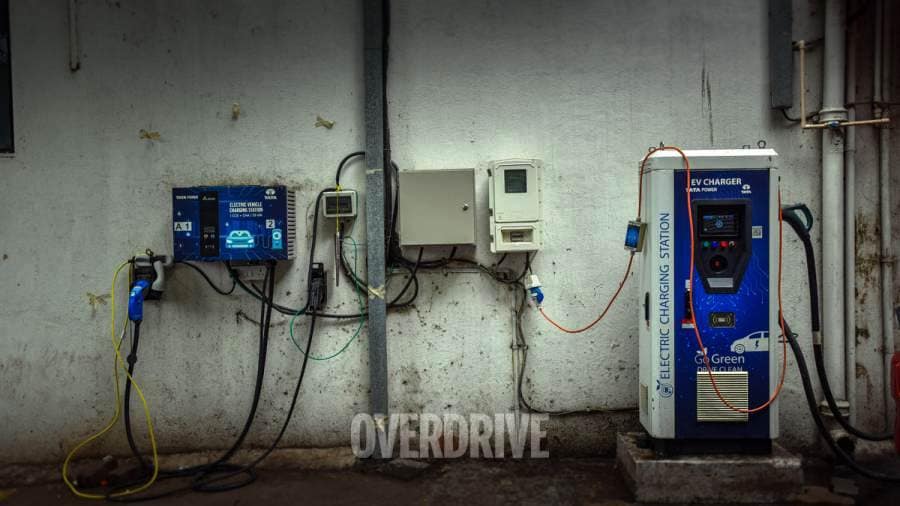
India's power infrastructure is already stretched thin. Load-shedding in peak summer months, rural blackouts, and transmission losses are common occurrences. Adding millions of EVs to the mix would further strain already fragile systems, especially if the charging demand isn't offset by a massive uptick in renewable energy generation.
Urban areas may see an expansion of public chargers, but rural and semi-urban regions are still ill-equipped. Even in cities, residential societies and apartment complexes face technical and bureaucratic hurdles when installing EV chargers. Without targeted infrastructure investments and clear implementation frameworks, grid reliability and consumer experience could suffer.
Mineral Crunch and EV Slowdown
Adding to the challenge is a growing international concern - the scarcity of rare earth minerals. Lithium, cobalt, and nickel - critical for EV battery production - are seeing price volatility and geopolitical pressure, with China continuing to dominate the global supply chain.

This mineral crunch has led several global carmakers to dial back their aggressive EV production targets. Even at home, Tata Motors too could be seeing a production slowdown for some of its EVs. Even Tesla, despite its market leadership, has slowed down expansion plans and is investing heavily in battery chemistries that reduce reliance on scarce materials.
If global EV momentum itself is entering a phase of cautious recalibration, it's uncertain whether India's policy will find enough manufacturers willing to invest significantly in a market still in its EV infancy.
Will Indian OEMs Feel Undermined?
On the home front, Indian automakers like Tata Motors, Mahindra & Mahindra, and TVS have invested early and heavily in developing EVs for India. They've worked around infrastructure gaps and pricing sensitivities to build market share.

Now, with global giants being offered tax breaks and entry points, concerns are growing that Indian OEMs may be undercut - especially if premium EVs are brought in at competitive prices under the import duty relaxation.
It's a delicate balance to achieve for our government: attracting foreign capital and
technology while nurturing domestic champions who've taken risks and gambles on an evolving market.
Visionary or Volatile?
India's new EV policy is ambitious - perhaps even visionary. It seeks to transform the nation's automotive future, create jobs, and signal a serious commitment to sustainable mobility. But its implementation will require precision, coordination, and an honest reckoning with on-ground realities.
The three key questions that remain:
1. Will customers truly switch to EVs at a pace that justifies billions in investment?
2. Can the national grid, infrastructure, and renewable capacity scale quickly enough?
3. And is the global EV industry even in the mood to expand aggressively, given supply chain concerns and shifting market dynamics?
There's no doubt that the policy could be the catalyst India needs. But without parallel investments in grid upgrades, charging infrastructure, consumer education, and local supply chains, it risks becoming a short-term headline rather than a long-term solution.
For now, the government's message is loud and clear: "Come, Make in India." But whether the world answers that call - and whether India can sustain the EV tsunami it seeks to create - is a question that will unfold over the coming decade.