Import Duties Reduced to 10 per cent on European Cars
India and the European Union have formally signed a long-awaited free trade agreement (FTA) that will significantly reshape the country's automobile import landscape, particularly for European luxury and performance cars.
- An annual quota of 2,50,000 vehicles
- CBUs will experience significant price cuts
- Duties on auto components will be reduced over due course of time
- Brands like Mercedes-Benz, BMW, Audi, Volvo and Jaguar Land Rover expected to reap the benefits of the reduced duty cuts
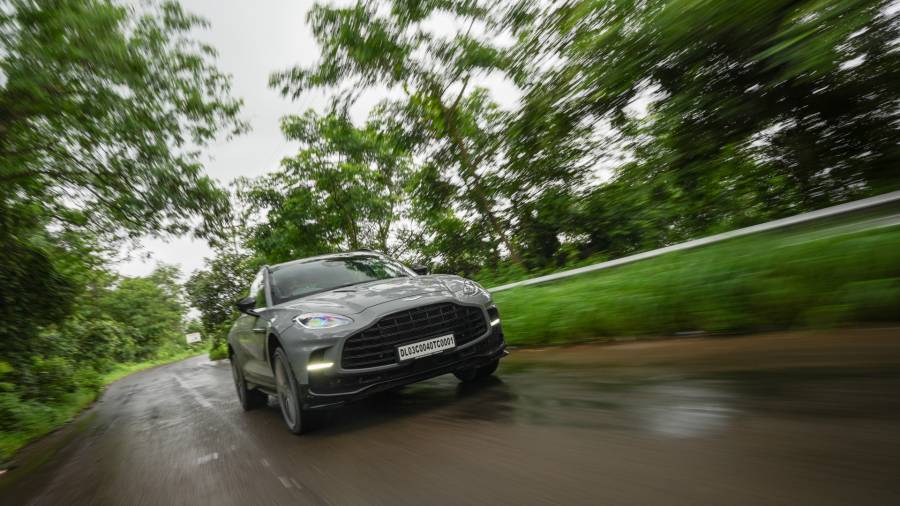
Under the agreement, import duties on European-made passenger vehicles will be reduced in phases from the current peak of 110 per cent to as low as 10 per cent. The concessional duty structure will apply to an annual quota of up to 250,000 vehicles, making the import of Completely Built Units (CBUs) from Europe substantially more affordable over time.
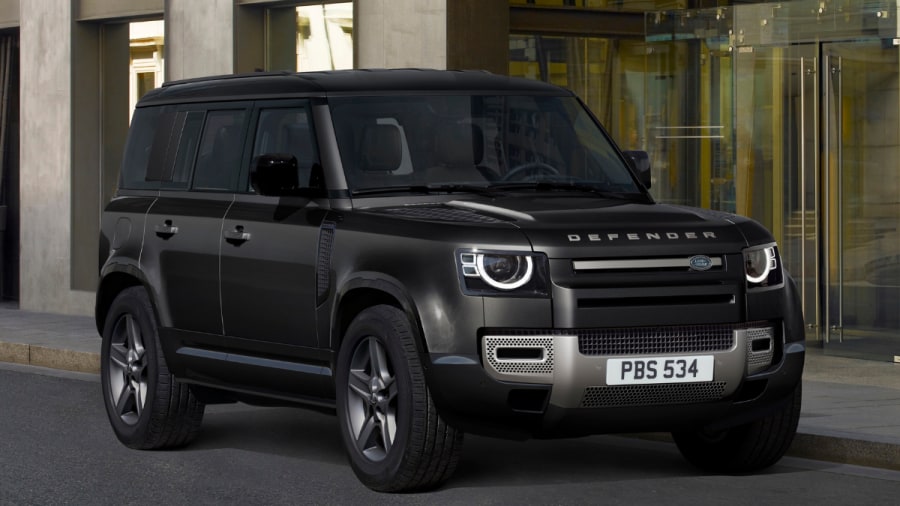
At present, India levies a 70 per cent import duty on cars priced below USD 40,000, while vehicles costing more than USD 70,000 attract a steep 110 per cent duty. The new framework marks one of the most significant openings of India's tightly protected auto market to foreign manufacturers.
Beyond CBUs, the agreement also has major implications for locally assembled vehicles. Duties on imported auto components will be progressively eliminated over a period of five to ten years. This move is expected to reduce manufacturing costs for European brands that assemble vehicles in India, potentially translating into lower prices for consumers in the medium to long term.
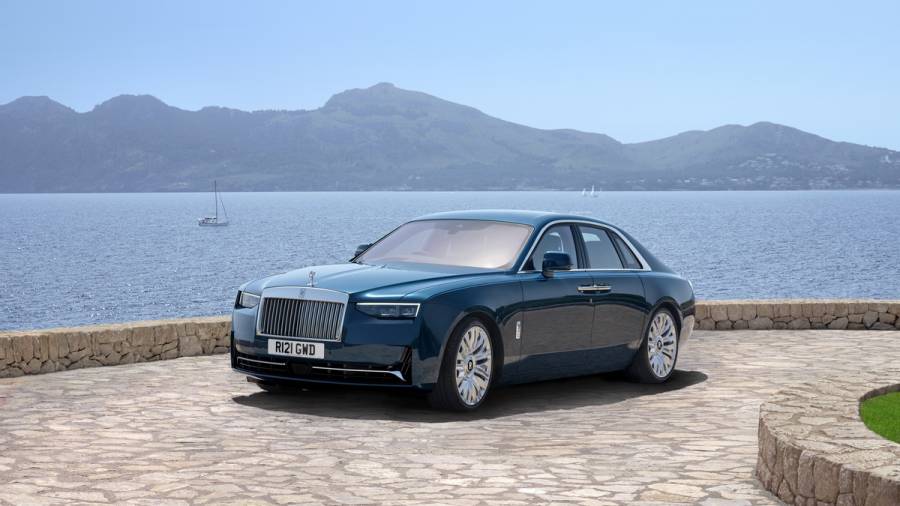
However, several key details are yet to be clarified. The agreement does not currently specify whether electric vehicles (EVs), hybrids and internal combustion engine (ICE) cars will be taxed uniformly or face differentiated duty structures. There is also no clarity on price-based categorisation under the revised regime.
While the tariff reduction on CBUs is being viewed as a boost for the luxury car segment, its immediate impact will be limited to a relatively small slice of the market. Most European luxury brands including Mercedes-Benz, BMW, Audi, Volvo and Jaguar Land Rover already assemble a majority of their models locally. These brands are expected to benefit more gradually from the elimination of component duties rather than the CBU tariff cuts.
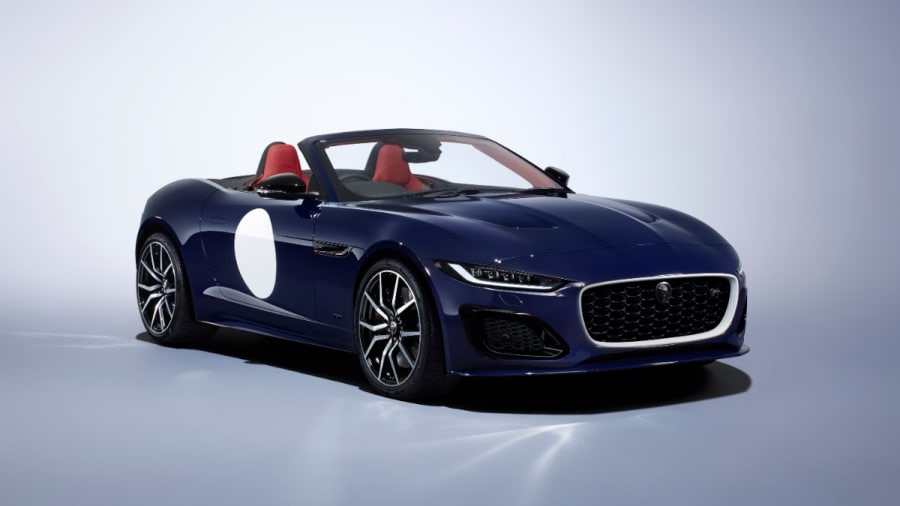
The biggest winners in the near term are likely to be high-end luxury and performance models that are currently imported as CBUs. This includes Mercedes-Benz AMG variants, Audi RS models and BMW M cars. Ultra-luxury and sports car manufacturers such as Porsche, Lamborghini and Ferrari will also see significant price advantages, although their sales volumes in India remain niche.
The signing of the India-EU FTA brings to fruition negotiations that have spanned more than two decades. Talks were first initiated in 2007 but stalled in 2013 due to differences on key trade issues. Discussions were revived in 2022, with final rounds of negotiation concluded in October 2025, paving the way for the agreement to finally come into force.
Related Stories