rpm- Supercharged Year for Electric Vehicles in India
Revolutions Per Month By Kranti Sambhav. Jan '26 Edition.
2025 was another year in which we saw many legacy players shifting their EV goals. Even the goal posts are shifting. There is still confusion at a global level, driven by geopolitical changes and China's stronghold over the EV and battery ecosystem. However, the Indian electric vehicle market showed clear signs of consolidation and maturity. Sales touched new highs across every EV category.
Electric two-wheelers grew by 11.36%, three-wheelers by 15.39%, electric commercial vehicles by 54.2%, and the most talked-about segment, which kept us busy throughout the year, electric passenger vehicles grew by 77%. Yes, the base is low in some cases, but the numbers are solid and clearly indicate that India's electrification journey is reaching an important milestone. No wonder we spent weeks attending electric vehicle launches or testing them. There was a 360-degree action last year.
Interestingly, the luxury market is seeing much faster adoption of EVs, and the segment has been action-packed. Many believed that luxury car customers prioritise exclusivity, aspiration, and craftsmanship, all of which traditionally tilt towards ICE vehicles. However, what we saw in 2025 proved that Indian customers are keen on electrics, not as experiments or quirky additions to their garages, but as serious choices. In the ?30 lakh-plus market, EV penetration is around 14% according to EY-Parthenon research. The size of this segment is approximately 59,000 units.
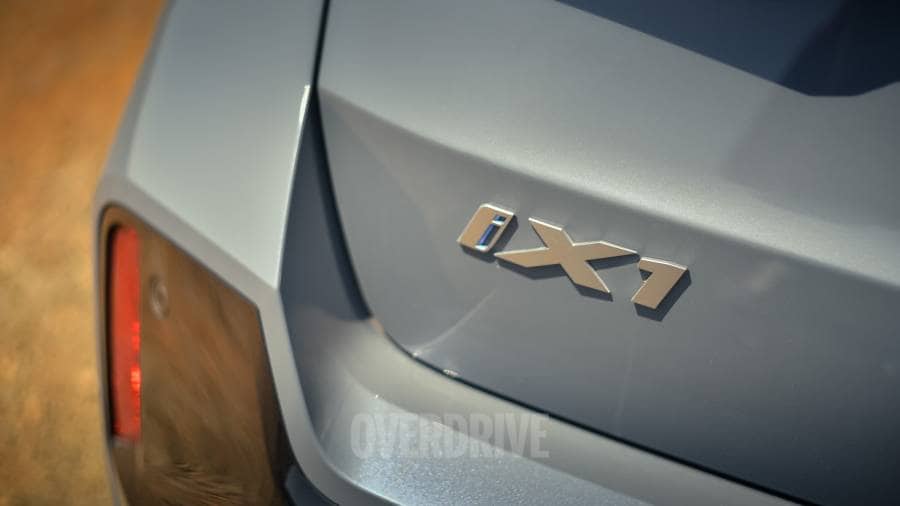
While Tesla made headlines, the real gamechangers were the Germans, especially BMW, which surprised many with its numbers in CY 2025, finishing just about 1,000 units short of market leader Mercedes-Benz. BMW showed clear intent with the iX1 LWB and emerged as the undisputed leader in luxury EV adoption. Its electric sales grew by 200% to 3,753 units, pushing EVs to 21% of its total India volumes, up from just 8% last year. And this wasn't limited to volumes at the lower end of the market; top-end electric offerings performed well too. Audi, however, currently finds itself short of products in this segment.
Another trend worth mentioning is the falling average age of customers in this space. More young buyers are embracing electric luxury vehicles, reflecting a stronger inclination towards sustainability.
Most of these segments see a fall in the average age of customers, most around mid-thirties. Even the super luxury brands like Rolls-Royce saw this trend. The average age of their customers has come down to 43 years from 56 in 2010. This mindset is also beginning to show in the mass segment. More and more youngsters are looking for electric cars as their first car. The inhibition seems to be going down now.
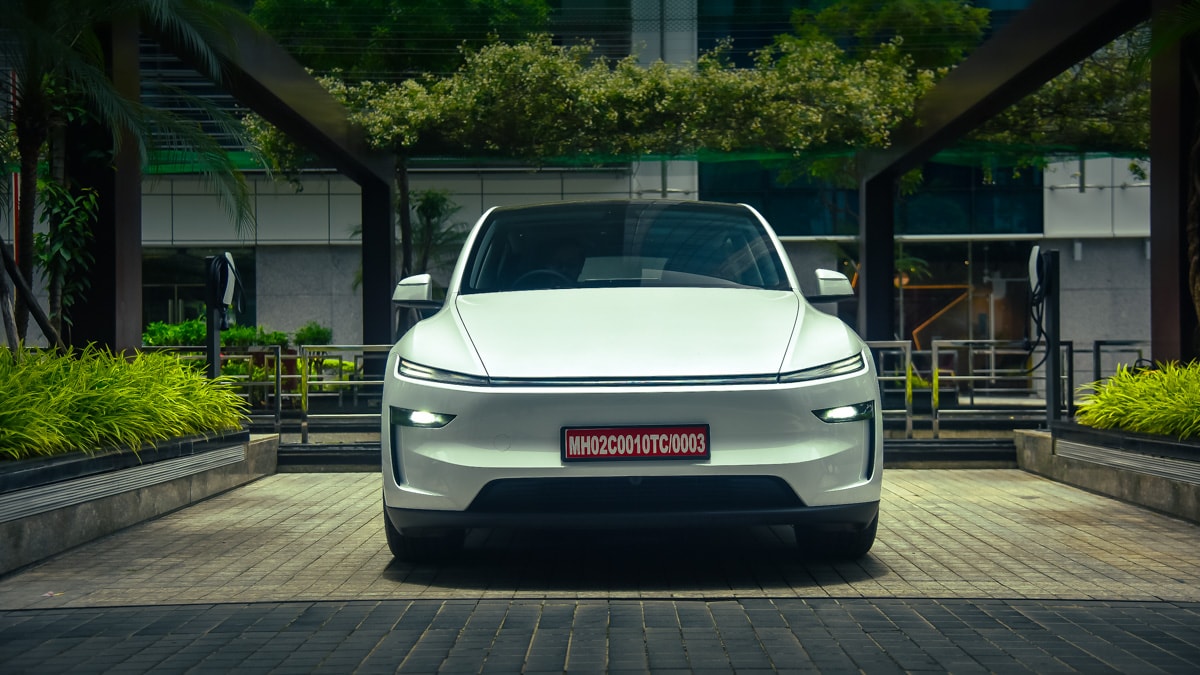
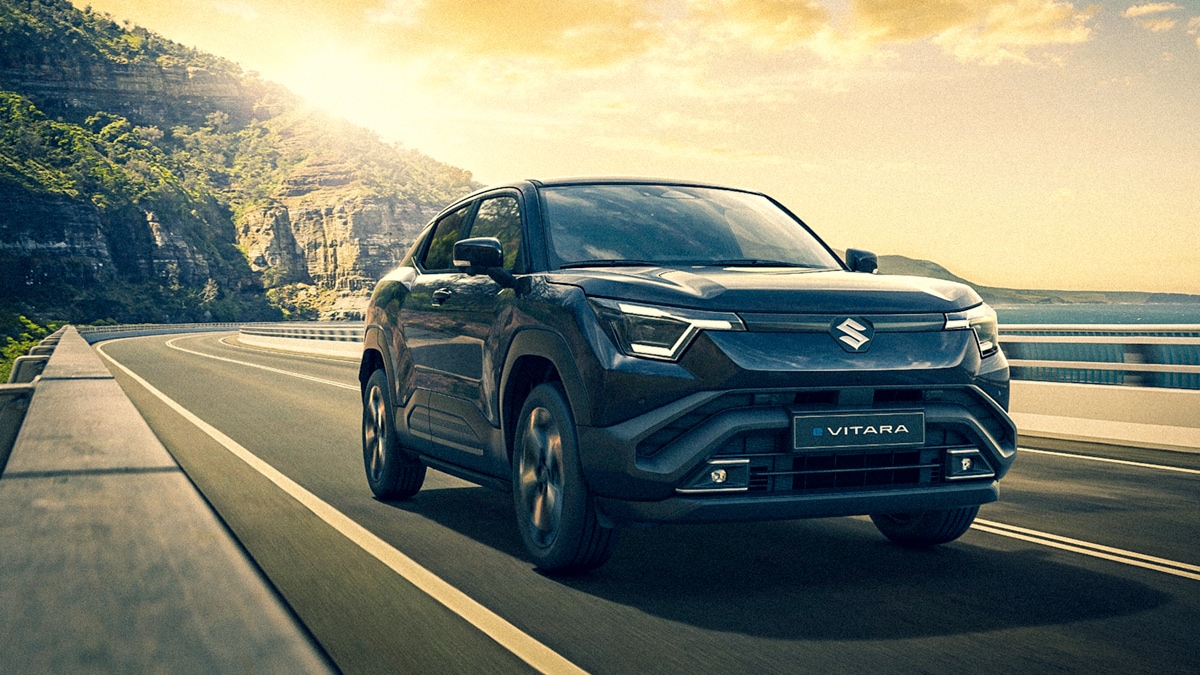
This brings us to 2026, which looks even more promising for India's electric market. The entry of Maruti Suzuki and Toyota with their electric vehicles could strengthen the ecosystem further. While the mass segment already has a healthy number of EVs, these new entrants will bring wider charging networks, which could help reduce anxiety on long journeys. New players like VinFast have shown encouraging numbers, crossing the 1,000-unit mark within a couple of months, while news around JSW's upcoming products, backed by its Chinese partners, will keep headlines busy. A long list of upcoming electric launches is already lined up for India, including the Sierra EV, a seven-seater from VinFast, Leapmotor's entry, and much more.
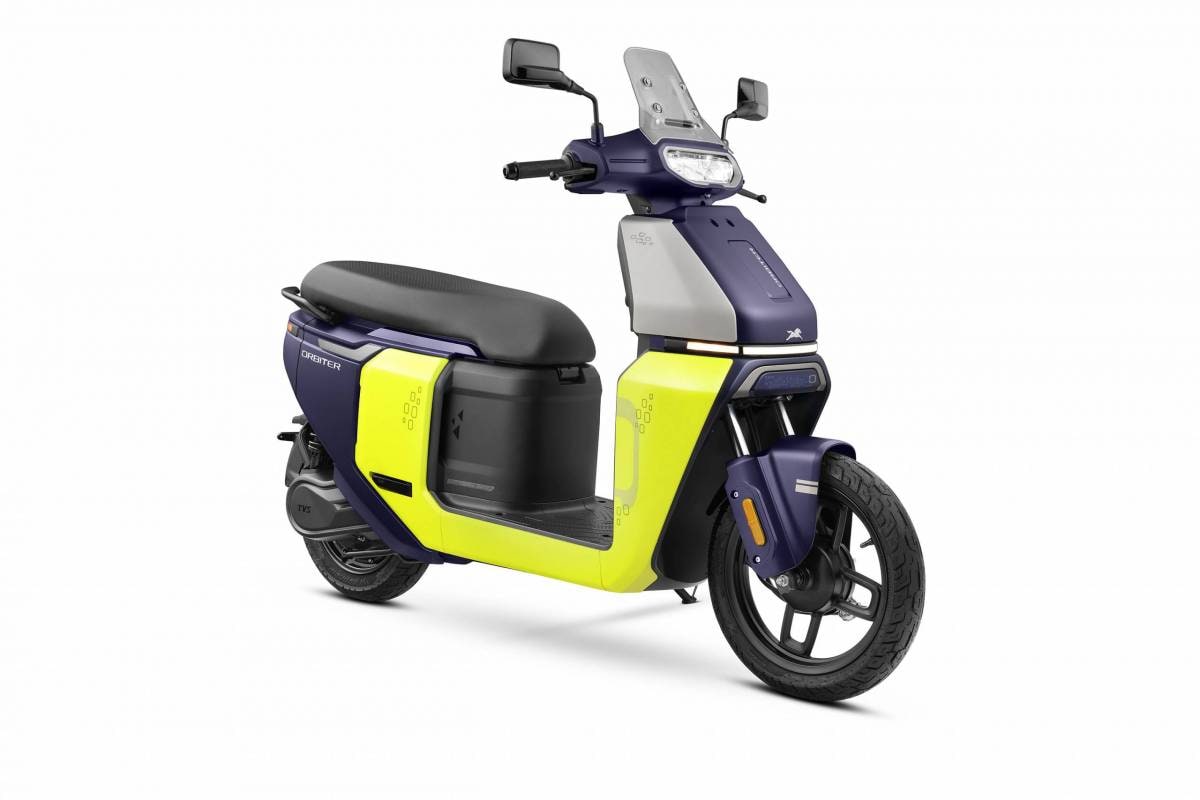
The two-wheeler market has already gained electric momentum, and it will be interesting to see whether start-ups can continue to challenge legacy players like Bajaj and TVS, or whether the champions will keep having 'oats' for breakfast.
Finally, one of the biggest pushes behind all of this will be the upcoming CAFE norms in 2027. No matter what the market says or what customers demand, emission calculations will increasingly require electric motors to be part of the mix. As a result, we may see more EV launches than currently expected.
Words: Kranti Sambhav
Related Stories