Luxury or Sin?
Yes, they can be addictive, have great show-off values, be very expensive to maintain, a few could be called a gamble, but big motorcycles are not luxury or sin goods. Yes, they exhibit similar qualities, but they are not showpieces (in most cases) like a yacht or private aircraft, leave some ugly spots behind at times, but not the gutka types, and they do fire, but not like pistols or revolvers. Motorcycles in India don't deserve to be in that tax segment, especially the midsize ones. Now is when we should change how we look at motorcycles and motorcycling in India- as a commodity, mode of transport and an indicator of social change.
After the GST Council announcements, there was a sigh of relief from all quarters. Small cars are getting cheaper, even luxury cars are getting some kind of relief, and electric vehicles are holding on to their 5% slab. This is huge, for the market, the customers, manufacturers and even the journalists who were always scrambling with the figures of GST and cess, what is the percentage applicable, what is the size of the car, size of the engine and what about the powertrain.
Now, the car prices have come back to being an algebraic equation rather than being a differential calculus problem. The abolition of the complicated cess structure and the move to simpler slabs will help ease business for everyone. However, for a motorcycle lover like me, the only disappointing part was the increase in GST for 350cc-plus motorcycles. They have actually become more expensive. This deserved a mention in the overall positive story of GST 2.0.
Cars were divided into categories, sub-categories, and further based on length, engine size, fuel type, and even ground clearance. The only conversation we are having in the last couple of hours is about the rate, categories, cess, resultant tax, and we are all recalculating. Which car, what engine, what size would take the tax from 28 to 48% or 50%? That is sorted now.
The timing of this reform is clever as there is anxiety around Trump tariffs, flat sales figures and conversation around ethanol, electric, hybrid and the future of cars. The auto industry has been facing headwinds from multiple directions, but this festive season might see a different mood. Many customers had been holding on to their buying decision after PM's address from Lal Quila about GST reduction. I am sure they are all marching towards the dealerships as I am typing these words.
Now, the issue that forced me to start typing is the GST revision for motorcycles. One respite is that motorcycles and scooters under 350 cc now attract just 18% tax, which is a 10% reduction from 28%. For motorcycles, this is a substantial reduction and should mean better affordability, which is important for common Indians' day-to-day mobility.
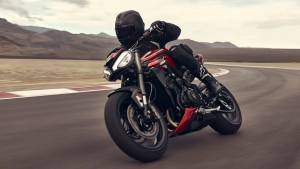
However, the issue is that motorcycles above 350 cc have been grouped into the same 40% bracket, which is usually associated with the luxury and sin tax. This is a 9% jump from the earlier 31% rate, which included 3% tax. What should be addressed, as this is the time when we are finally seeing them expand beyond niche status. They are aspirational yet still within reach for a growing middle class, and they are motorcyclist-centric products, not for commuters per se.
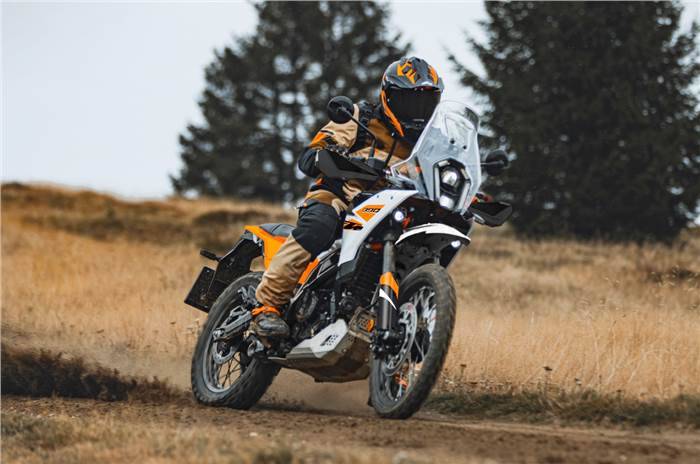
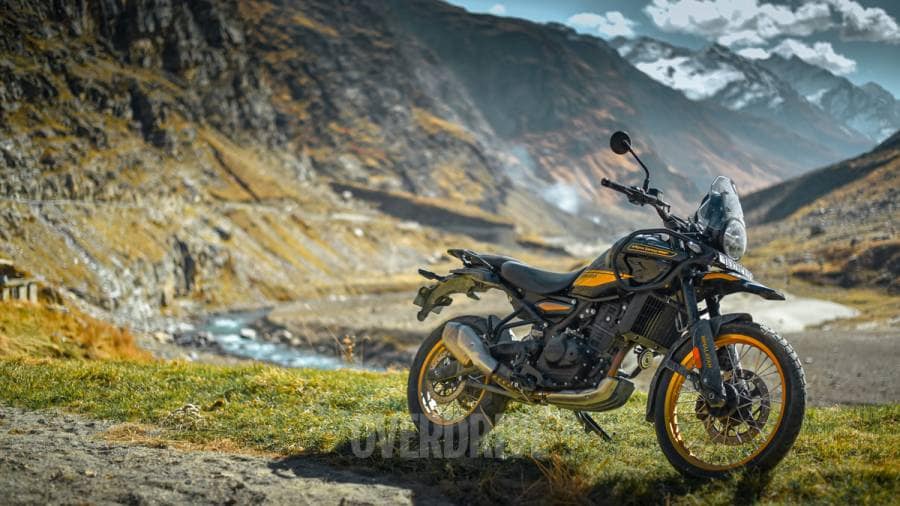
It is worth asking: why do we keep treating these bikes as if they were luxury imports? This is the segment where India has, for the first time, begun to build a global reputation. Royal Enfield's 350s and 450s are exported around the world. Triumph and Bajaj have co-developed affordable 400s that are setting new benchmarks. Honda is testing the waters with its CB350. These are not extravagances. They are a bridge between mass commuting and serious motorcycling culture.
To penalise them with a luxury tax undermines both domestic enthusiasm and export potential. At a time when India is trying to position itself as a motorcycle manufacturing hub, we should be supporting this category, not handicapping it. 500cc is a segment which should be kept in the 18% slab. First, they are still largely made in India, with significant local value addition. That supports jobs and industrial growth. Second, they are not a luxury in the traditional sense. Yes, they cost more than a 100 cc commuter, but they are far from being playthings of the rich. For many young professionals, they are the first aspirational purchase, comparable to buying a compact car.
The GST reset is a welcome reform, one of those events which made almost everyone happy. Doing away with the confusing cess regime gives relief to small cars, might rejuvenate the small car market, and give confidence overall. But it also shows a missed paragraph in this feel good story, forgetting a category which deserves encouragement. Indian 350cc plus bikes are finding takers across continents, and showing more confidence in this segment would help the manufacturing as well.
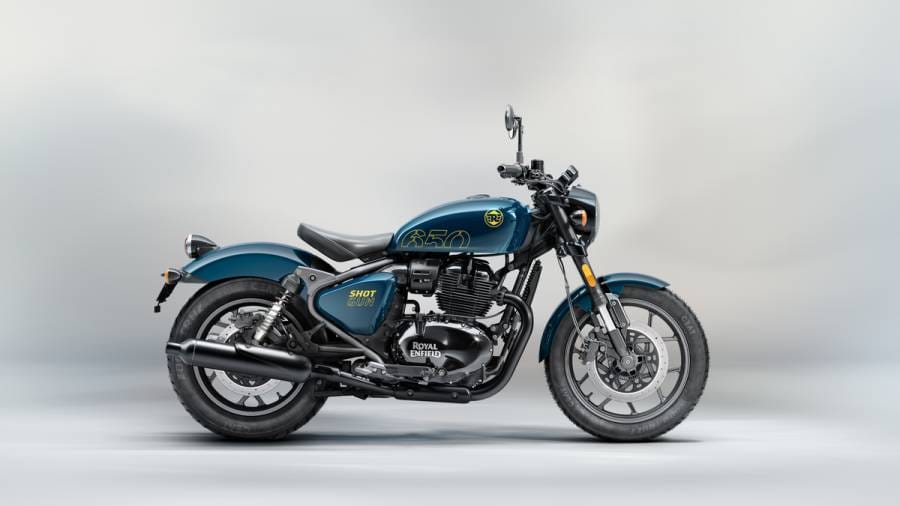
By now, you must have understood that this piece is more from a motorcycle lover who is not only pleading for some relaxation but also wondering if 9% extra GST on big bikes would make sense anyway, when the overall sales numbers are hardly there. This plea is not just for the industry, not a personal appeal either, as I am sure that I won't be able to buy the motorcycle I am eyeing even with zero tax.
This is about a possible procedural miss or a missed opportunity. This move could help motorcycling culture as big-bike riders are usually more disciplined, more responsible, and more passionate. Encouraging this segment has a social value. Indian roads are not very safe with a poor safety record. Almost half of the people dying on Indian roads are two wheeler users.
Riders are often the most vulnerable users of our roads, with accident data consistently showing them among the highest casualties. Building a stronger motorcycling culture - where riders take pride in machines, learn proper riding etiquette, invest in safety gear, and form responsible communities - is one way to tackle this. Larger motorcycles are not just faster toys; they are a platform for cultivating better riding habits and spreading awareness. By taxing them like sins, the state sends the wrong message. It equates them with indulgence, rather than recognising their role in shaping a healthier riding ecosystem. And we all know that India needs such road users.
Related Stories