EU car import tariffs to be slashed to 40 per cent
India is set to sharply reduce import duties on cars from the European Union under a long-pending free trade agreement (FTA) that could be announced as early as Tuesday, according to sources quoted by Reuters. If finalised, the move would represent the biggest opening so far of India's tightly protected automobile market.
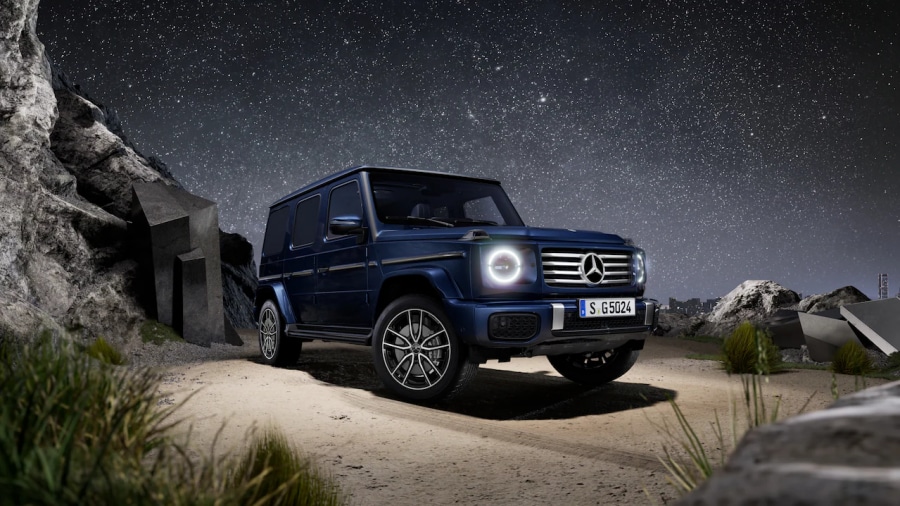
- Tariff to to be slashed from 110% to 40%
- Tariff reduction for cars over 15,000 Euros
- This does not include EVs for the first five years
- BMW, Mercedes-Benz, Volkswagen cars to be competitively priced
As part of the proposed deal, India plans to cut peak import tariffs on EU-built cars to 40 per cent from the current levels that go as high as 110 per cent. These duties are expected to be lowered further in phases, potentially dropping to as little as 10 per cent over time.
The initial reduction will apply to a limited volume of fully built vehicles priced above 15,000 euros (approximately Rs 16.3 lakh). Sources indicated that India has agreed to immediately reduce duties on about 200,000 internal combustion engine (ICE) vehicles per year, although the final quota is still under discussion. Battery electric vehicles (EVs) will be excluded from the tariff cuts for the first five years, a measure aimed at safeguarding investments by domestic manufacturers. Similar duty reductions are expected to be extended to EVs at a later stage.
The tariff concessions would make imported models from European automakers such as Volkswagen, Mercedes-Benz and BMW more competitively priced in India. They would also allow manufacturers to introduce and evaluate new models in the market before committing to further local production. Import duties on fully built cars currently range from 70 per cent to 110 per cent, a policy that has long drawn criticism from international auto executives.
The proposed deal comes during a four-day visit to India by European Commission President Ursula von der Leyen, who is accompanied by European Council President António Costa for Republic Day celebrations. The two leaders are scheduled to hold summit-level discussions with Prime Minister Narendra Modi, with the trade pact expected to be announced alongside a strategic defence partnership and initiatives to ease mobility for Indian professionals in Europe.
Related Stories