
CAFE III to set in from April 2027
India is set to introduce the third phase of its Corporate Average Fuel Efficiency (CAFE) norms from April 2027, covering the 20272032 period. The upcoming regulations are expected to tighten fuel efficiency requirements for passenger vehicles, prompting carmakers to rethink product planning, technology deployment and pricing strategies.
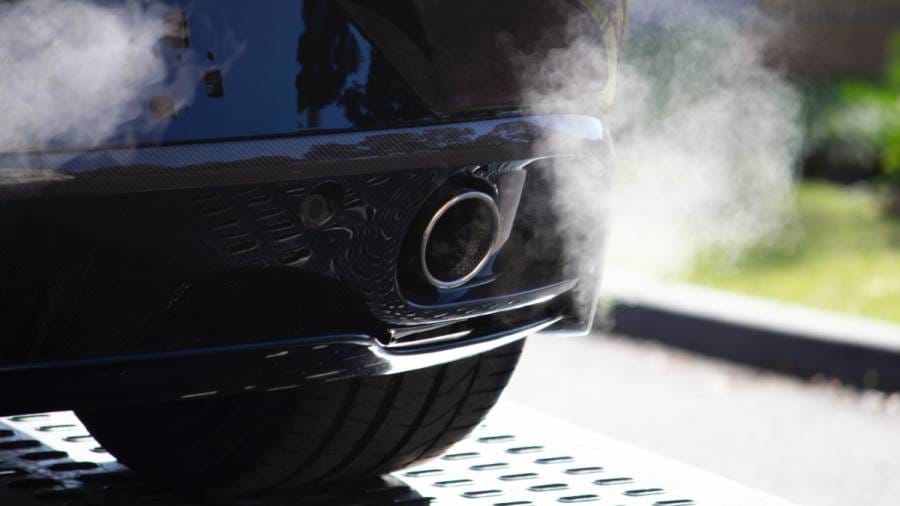
CAFE rules determine the average carbon dioxide (CO?) emissions of a manufacturer's entire fleet in a financial year. Rather than evaluating each model separately, the government calculates a sales-weighted average of all vehicles sold by a company. This means automakers must manage the overall efficiency of their portfolio, balancing higher-emission models with more efficient or electrified options.
First introduced in 2017 and strengthened in 2022 under the second phase, the CAFE framework aims to cut fuel consumption, reduce crude oil imports and support environmentally responsible mobility. It differs from Bharat Stage (BS) emission norms, which targets limiting harmful tailpipe pollutants such as nitrogen oxides and particulate matter. CAFE concentrates specifically on fuel efficiency and CO? output.
Under the third phase, emission limits will continue to be linked to the average weight of vehicles sold. While heavier vehicles are allowed comparatively higher emission thresholds, the overall standards are expected to become progressively stricter over the five-year cycle. The system is also likely to retain mechanisms such as credit trading and fleet pooling. Manufacturers that outperform their targets can earn credits to offset shortfalls in other parts of their range.
Electrified vehicles including strong hybrids and battery electric models are expected to play a critical role in helping companies achieve compliance. By improving fleet averages, such models can allow carmakers to meet tougher targets without passing on steep cost increases to customers.
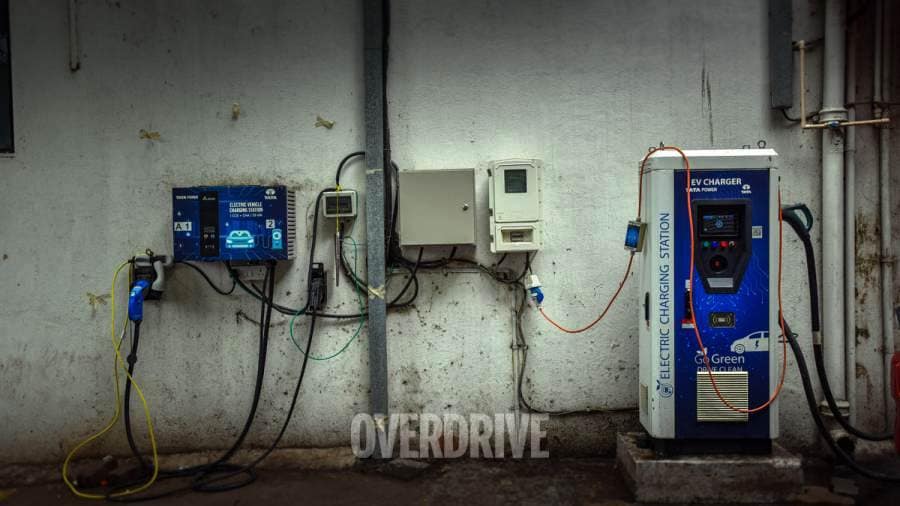
The regulation does not prohibit specific vehicle categories. Instead, it encourages manufacturers to improve efficiency across their line-ups through measures such as better engine technology, lightweight construction and expanded electrification. Companies that fail to meet their fleet targets could face financial penalties under the Energy Conservation framework, making compliance a business priority.
As the 2027 deadline draws closer, automakers are likely to fine-tune their product mix, accelerate the rollout of fuel-efficient models and invest more in alternative powertrains. For buyers, this could translate into a wider choice of efficient and electrified vehicles in the coming years. However, tighter standards may also raise manufacturing costs, particularly in entry-level segments where margins are already slim, potentially influencing pricing and feature strategies.
With implementation less than two years away, CAFE 3 is poised to significantly influence India's automotive direction through the next decade, pushing the industry toward cleaner technologies while testing its ability to maintain affordability in a cost-conscious market.
Related Stories